


If you’re a foreign resident thinking about getting a car, motorbike, or scooter in Japan, one of the first challenges you’ll face is parking. From space limitations to strict legal requirements, it’s important to understand how parking works before making the leap into vehicle ownership.
This guide covers everything from the infamous proof-of-parking rule to costs and tips for navigating Japan’s parking landscape.
Understanding the Proof of Parking Rule (Shako Shomeisho)
One of the biggest hurdles for car owners in Japan is the shako shomeisho (車庫証明書), or proof of parking certificate. In most areas of the country, you cannot register a vehicle unless you can prove you have a dedicated parking space. This regulation was introduced to prevent illegal street parking and to keep Japan’s narrow roads clear.
The process usually involves:
- Submitting a map with your parking location
- Getting a signed lease or proof of ownership for the parking spot
- Police inspection of the parking area
This rule applies to standard vehicles in nearly all urban areas, especially within the 23 wards of Tokyo, Osaka, Nagoya, and other large cities.
Exceptions and Regional Differences
In some rural areas, the proof-of-parking rule may be relaxed, especially for smaller vehicles or motorcycles. For example:
- Kei cars (軽自動車) may be exempt in some towns.
- Motorcycles and scooters often don’t require a parking certificate, depending on the municipality.
However, even when a certificate isn’t legally required, many residential buildings still expect tenants to arrange parking before purchasing a vehicle.
Parking Costs in Japan
Parking prices vary significantly depending on your location:
- Tokyo/Yokohama/Osaka (urban): ¥20,000–¥50,000 per month
- Mid-sized cities: ¥8,000–¥20,000 per month
- Countryside towns: ¥3,000–¥8,000 per month
In central Tokyo, covered or underground parking in residential complexes can be especially pricey. In contrast, some suburban homes include a driveway or open-air space at no extra cost.
Motorbike and Scooter Parking
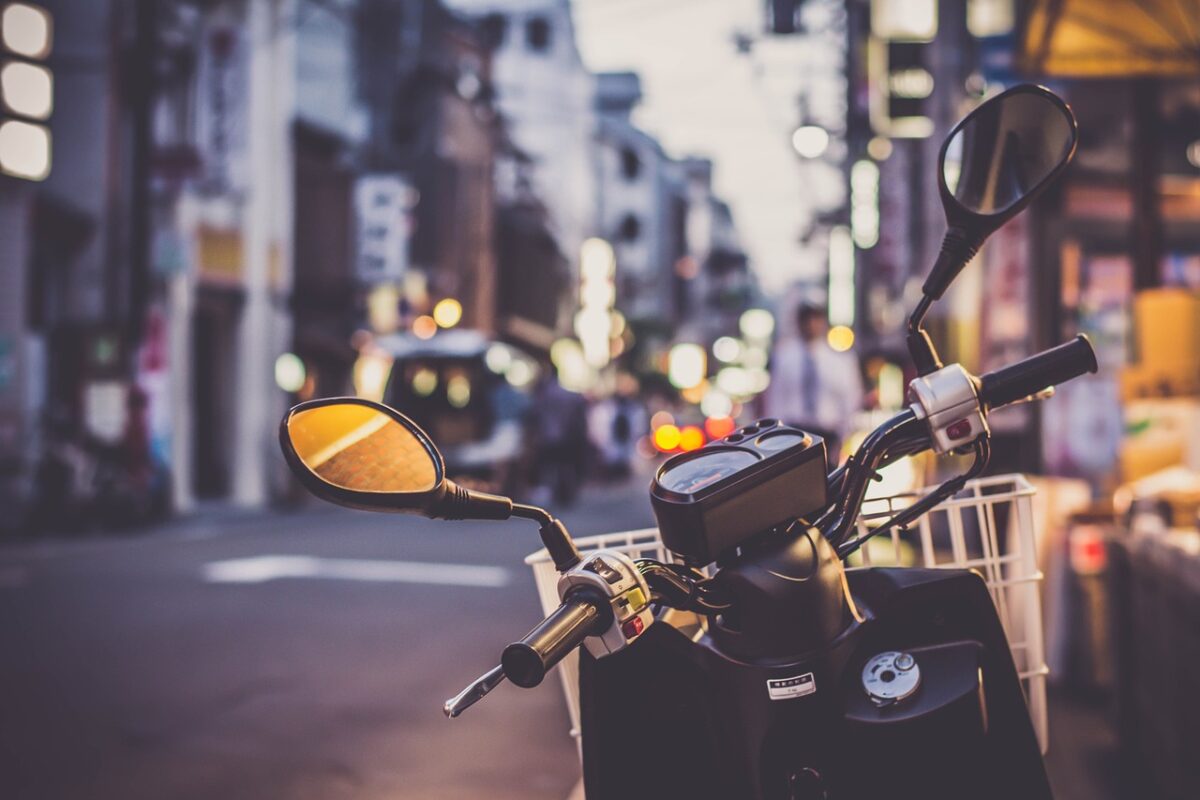
Motorbike parking rules are less strict, but finding legal spaces in cities can be tough. Many public and commercial facilities do not allow motorcycles unless designated spots are available. For smaller scooters:
- Bikes under 50cc can sometimes be parked like bicycles, depending on local rules.
- Larger scooters (125cc+) usually require dedicated parking and may be subject to ticketing.
Coin parking lots sometimes allow motorcycles, but spaces are limited. Look for the motorcycle icon (バイク可) when searching online or in person.
How to Find a Parking Space
Whether you’re parking a car, bike, or motorbike, there are several ways to secure a spot:
- Ask your real estate agent: Many rental agencies also manage parking spaces.
- Use property sites: Search for 月極駐車場 (monthly parking lots).
- Check your building management: Apartment complexes often have on-site parking you can rent.
- Look for local notices: In some neighborhoods, residents post signs offering vacant spaces.
Short-Term and Coin Parking
If you don’t drive every day, coin-operated lots are widely available in urban areas. These are ideal for:
- Running errands
- Weekend trips
- Temporary car use (e.g., rental cars or car sharing)
Coin parking typically costs:
- ¥100–¥400 per 30 minutes in cities
- ¥300–¥1,000 for a 12–24 hour max
Some also have automatic barriers that lock the wheels, so be sure you understand how to pay before leaving your vehicle.
Illegally Parked Vehicles
Parking enforcement in Japan is strict. Illegally parked vehicles can be ticketed or even towed. Especially in cities, police and private parking patrols check for unauthorized use of space.
If your vehicle is ticketed:
- You must pay the fine within a specified time
- Repeat violations can lead to points on your driving record
Be especially cautious about overnight parking in unfamiliar areas or parking in front of homes or businesses without permission.
Tips for Parking in Japan
- Smaller vehicles are easier to manage: If parking is tight, opt for compact cars or scooters.
- Scout before you buy: Ensure you can secure a parking spot before committing to a vehicle.
- Explore apps: Parking apps like Akippa, NaviPark, and Times can help locate spots and even reserve spaces.
- Use landmarks for navigation: GPS can be confusing in tight neighborhoods—knowing local landmarks can help.
Final Thoughts
Parking in Japan requires planning, but it’s not impossible. Understanding the regulations, knowing the costs, and being strategic about your vehicle choice can help you avoid common pitfalls. Whether you’re driving a car, zipping around on a scooter, or thinking of renting occasionally, securing a reliable place to park is essential to living comfortably with a vehicle in Japan.
FAQs: Parking in Japan for Foreigners
Q: Do I need a parking space before I buy a car in Japan? A: Yes, in most areas. You must provide proof of a parking space (shako shomeisho) to register your vehicle.
Q: Are there areas where the proof-of-parking rule doesn’t apply? A: In some rural areas or for kei cars and motorbikes, the rule may be waived. Always check local regulations.
Q: How do I find a monthly parking spot? A: Ask real estate agents, check 月極駐車場 listings, or use parking apps.
Q: Can I park a scooter or motorbike anywhere? A: No. Larger bikes need dedicated parking, and small scooters can only be parked freely in specific areas. Always check signage.
Q: What happens if I park illegally in Japan? A: You may get fined or towed. Repeat offenses can lead to points on your license.
Q: Is short-term parking easy to find? A: In urban areas, coin-operated parking is common. Use apps to find spaces quickly.
Q: Can foreigners rent or lease parking spaces easily? A: Yes. As long as you have a residence card and proper ID, you can sign parking contracts.
Q: Do I need a parking space for a motorcycle? A: Generally, yes—especially for larger bikes. Some areas are more relaxed about scooters, but it varies.



![SSW Visa/ විශේෂිත කුසලතා වීසා ජපන් වැඩසටහන: විදේශීය සේවකයින් සඳහා සම්පූර්ණ මාර්ගෝපදේශය[SIN]](https://ziplus.jp/road-ready/wp-content/uploads/2025/09/uri_ifs___S_85a0fa3c-7e80-449e-88d2-718ae9387a63_00000018_001.jpg)