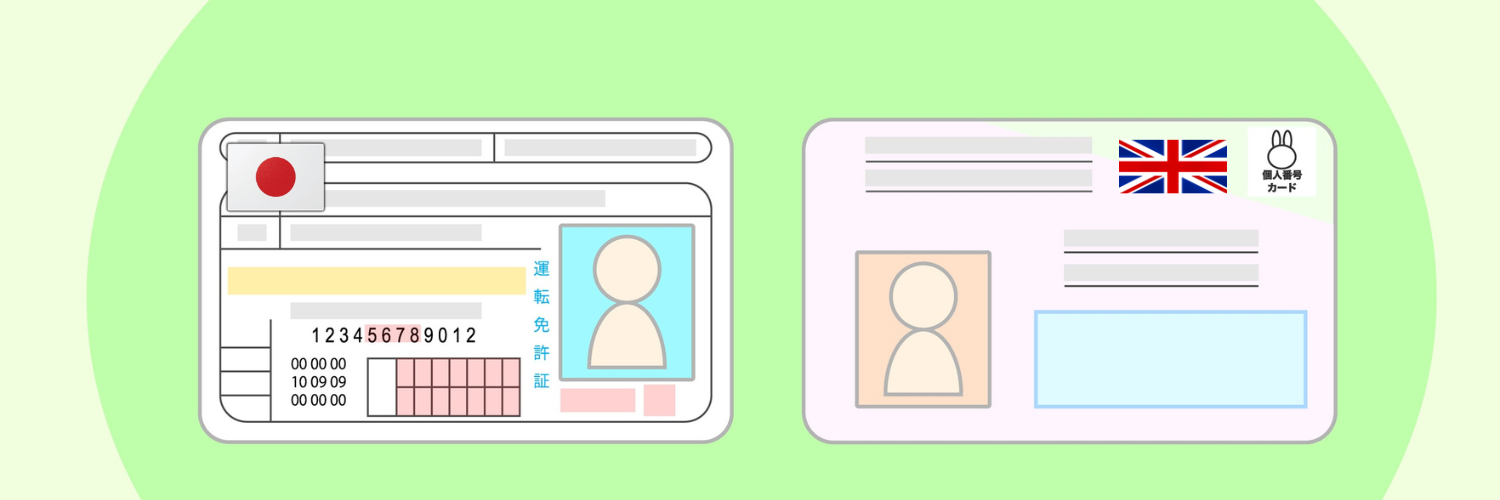


According to a report by the Immigration Service Agency, the population of foreign nationals in Japan under the Specified Skilled Worker program was projected to reach 283,634 by December 2024, marking a record high. Japan’s alarming labor shortage, combined with its rapidly aging population, has pushed the government to open more opportunities for foreign workers, including the launch of the Special Skilled Worker program in April 2019.
WHAT IS THE SPECIAL SKILLED WORKER?
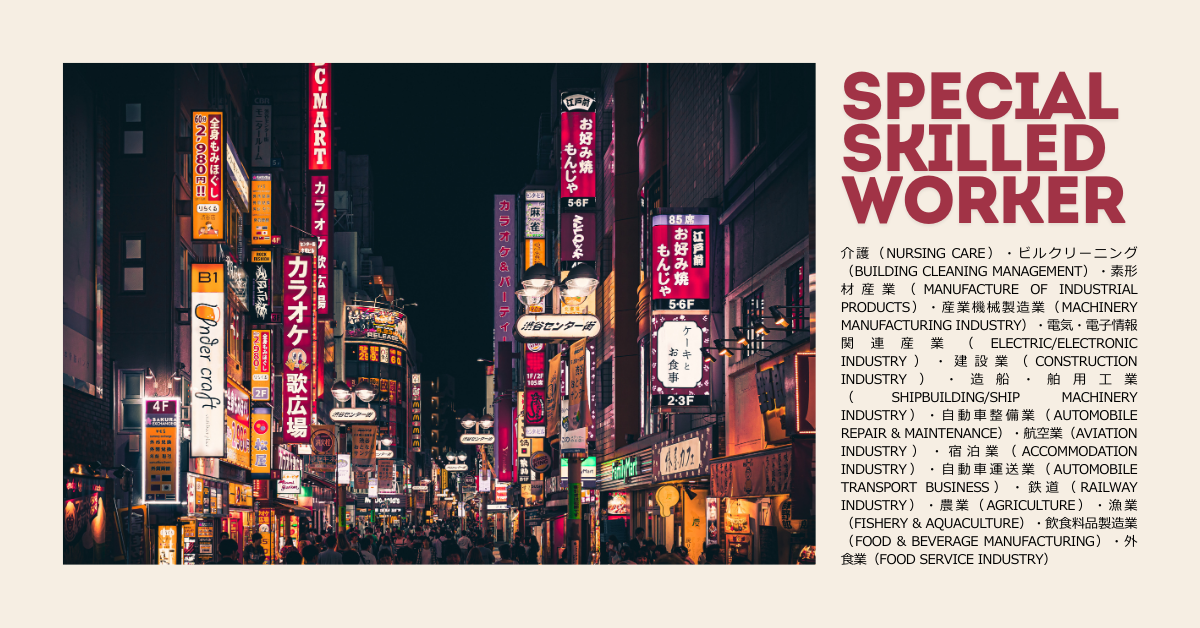
The program covers 16 sectors (as of August 2025) welcomes workers from around the world, and plays a big role in addressing Japan’s labor shortage. Each requires a certain level of JLPT certificate and different skill exams. This has contributed significantly to not only the economy of Japan but also society.
The 16 sectors (source: MOFA)
| Jurisdiction of the Ministry of Health, Labor & Welfare | Nursing Care SSW (i) & 介護福祉士 (*) 介護福祉士 : Certified Care Worker | In addition to Nursing Care (assistance with bathing, feeding and excretion responding to the physical and mental condition of the user), other related support services (assistance with recreation and functional training, etc.) Note: Visiting services are not included |
| Building Cleaning ManagementSSW (i) & (ii) | Interior building cleaning | |
| Jurisdiction of the Ministry of Economy & Trade | Manufacture of Industrial ProductsSSW (i) & (ii) | Machining and metal processing Electric and electronic equipment assembly Metal surface treatment Carton box and corrugated card board box making Precast concrete manufacturing Refuse derived paper & plastics densified fuel making Tableware and ornaments pottery manufacturing Printing / Book binding Fabricated textiles manufacturing Sewing |
| Jurisdiction of the Ministry of Land, Infrastructure, Transport & Tourism | Construction IndustrySSW (i) & (ii) | Civil engineering Building Infrastructure facilities & equipment |
| Shipbuilding & Shipbuilding Machinery IndustrySSW (i) & (ii) | Shipbuilding Ship machinery Ship electrical and electronic equipment | |
| Automobile Repair & Maintenance SSW (i) & (ii) | Automobile daily maintenance, regular maintenance, certified maintenance, the work in incidentally in certified maintenance | |
| Aviation Industry SSW (i) & (ii) | Airport ground handling (ground driving support services, baggage and freight handing services), aircraft maintenance (maintenance of aircraft and equipment, etc.) | |
| Accommodation Industry SSW (i) & (ii) | Providing accommodation services, such as working at the front desk, planning/public relations, hospitality, restaurant services | |
| Automobile Transport Business SSW (i) | Truck drivers Taxi drivers Bus drivers | |
| Railway SSW (i) | Track construction and maintenance Electric facilities construction and maintenance Rolling stock maintenance and overhaul Rolling stock manufacturing Train operation works (drivers conductors and workers who are directly engaged in train / car operation) | |
| Jurisdiction of the Ministry of Agriculture, Forestry & Fisheries | AgricultureSSW (i) & (ii) | General crop farming (cultivation management, collection/shipping/sorting of agricultural products, etc.), general livestock farming (breed management, collection/shipping/sorting of livestock products, etc.) |
| Fishery & Aquacultural Industries SSW (i) | Fishery (production and repair of fishing gear, search for marine animals and plants, operation of fishing gear and machinery, capture of marine animals and plants, processing and storage of catch, ensuring health and safety, etc.), aquaculture industry (production, repair and management of aquaculture materials, breed management, collection (harvesting) and processing of aquaculture animals and plants, ensuring health and safety, etc.) | |
| Manufacture of Food & Beverage SSW (i) & (ii) | General food and beverage manufacturing (manufacturing/processing and health and safety of food and beverages (excluding liquor)) | |
| Food Service Industry SSW (i) & (ii) | General restaurant industry (food and beverage processing, customer service, store management) | |
| Forestry SSW (i) | Silviculture, Production of logs, etc | |
| Wood Industry SSW (i) | Wood processing in the sawmilling industry and plywood industry, etc. |
SSW AUTOMOBILE & TRANSPORT BUSINESS (only SSW(i))
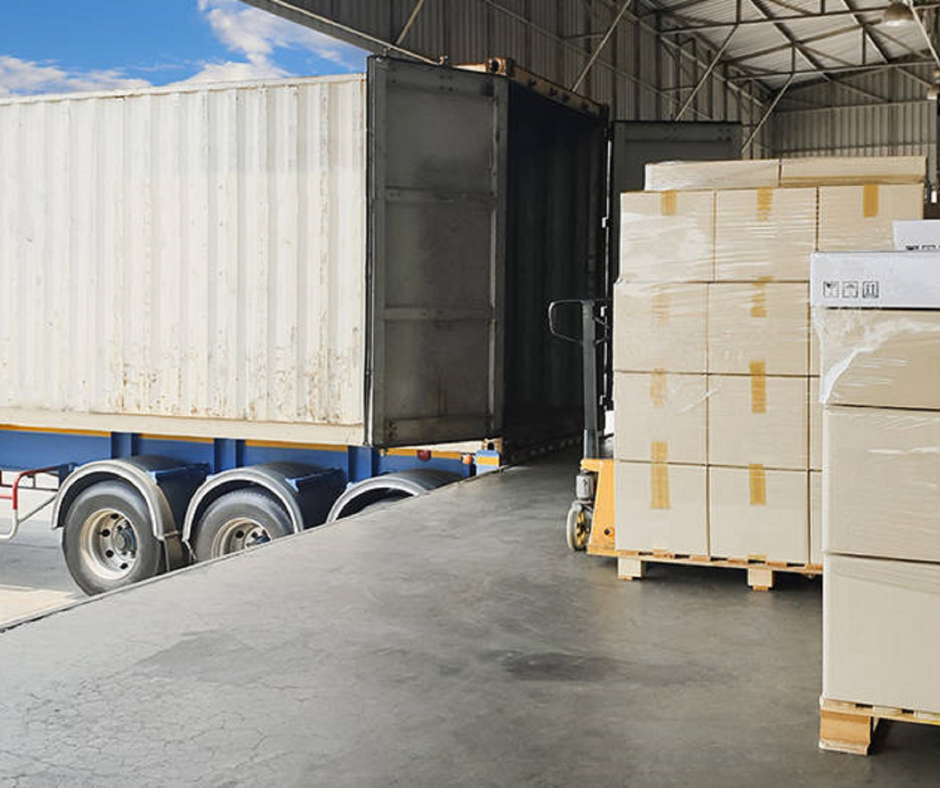
SSW for Drivers and the Logistics Sector
One of the most in-demand industries under the Specified Skilled Worker (SSW) program is the logistics and transportation sector, which includes truck drivers, bus drivers, and taxi drivers. Japan is experiencing a severe shortage of professional drivers due to an aging workforce and the rapid growth of e-commerce. As a result, opportunities for foreign workers in this field are expanding.
Requirements for SSW Drivers
To qualify for driving jobs under the SSW framework, candidates generally need to meet the following conditions:
- Valid Japanese Driver’s License: Foreign licenses must be converted into a Japanese license, which requires both written and practical tests.
- Language Ability: Communication is critical for safety. Most companies require at least JLPT N3 or equivalent Japanese proficiency. This ensures drivers can understand traffic signs, company instructions, and interact with passengers or clients.
- Health and Fitness: Good eyesight, hearing, and overall physical condition are important for safe driving.
- Special Skilled Driver exam: For SSW candidate the special skilled exam is mandatory
In Japan, Joys Japan has been one of the popular consultancies supporting foreigners in this sector. Supporting candidates from creating resumes to the onboarding process.
Why Japan Needs Drivers Under SSW
- Aging Workforce: A large percentage of Japanese drivers are nearing retirement age, leaving behind a gap that must be filled.
- E-commerce Growth: With online shopping booming, logistics companies are under pressure to deliver more goods faster, increasing demand for truck drivers.
- Urban and Rural Transport: From city taxis to community buses, there is a rising need for reliable drivers to maintain public transport and logistics systems.
SPECIAL SKILLED WORKER CATEGORY (i) & (ii)
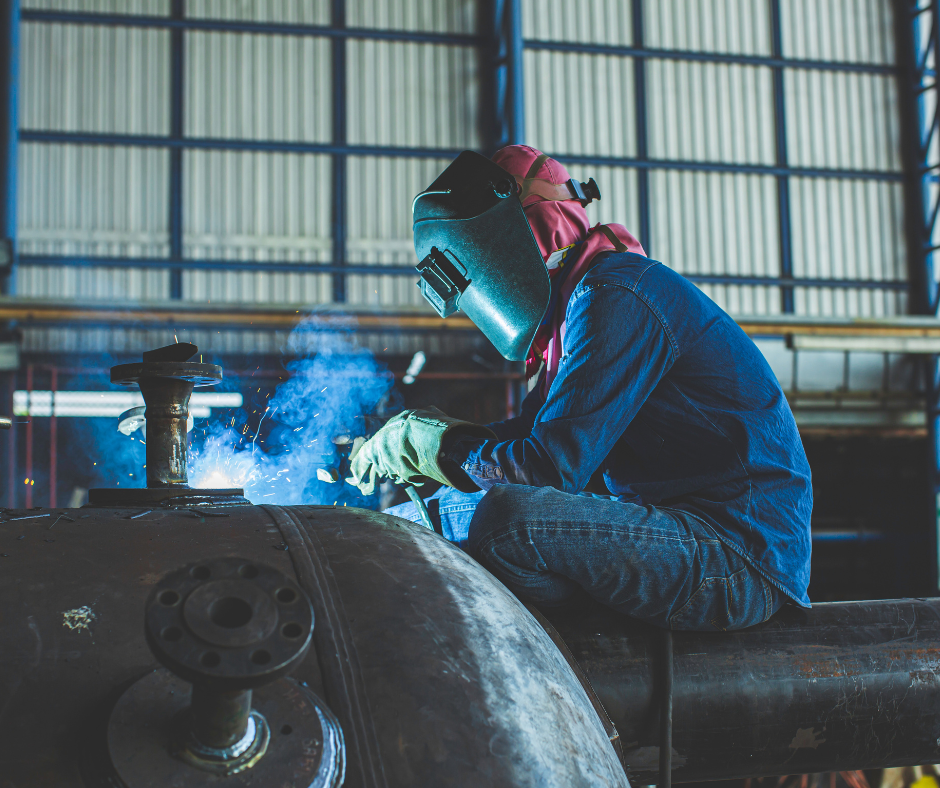
There are two categories under the SSW program:
SPECIAL SKILLED WORKER CATEGORY (i)
- For entry-level skilled workers.
- Workers are allowed to stay in Japan for up to 5 years.
- Renewal is possible, but no family members are allowed.
- Requires passing a skills test and Japanese language test (usually JLPT N4 or above).
Requirements:
- Must pass an industry-specific skills test.
- Must pass a Japanese language test (JLPT N4 or JFT-Basic) to prove basic daily communication ability.
- However, for those who have already completed the Technical Intern Training (技能実習 / Ginou Jisshuu) program in Japan, the process is easier:
- No need to take the Japanese language test again.
- No need to retake the skills test in the same industry.
- Completion of the training program and a certificate of completion are enough to transition smoothly from Ginou Jisshuu to SSW Type 1.
This pathway makes the SSW program especially attractive for former trainees who want to continue working in Japan, since it allows them to skip additional testing and directly move into a more stable work visa.
SPECIAL SKILLED WORKER CATEGORY (ii)
- For highly skilled workers with advanced expertise.
- Allows for long-term residency and renewal without limit.
- Family members can also live in Japan.
- Currently available only in a few industries such as construction and shipbuilding.
Challenges for SSW
Language Barrier
Communication in Japanese is essential, not only at work but also in everyday life. From following instructions on the job to reading signs, receiving training, or simply shopping at the supermarket, Japanese language ability plays a big role in how smoothly daily life goes.
Most companies expect at least a basic level of Japanese (JLPT N4 or higher), while certain jobs like taxi driver often require JLPT N2 or above to ensure safety and proper communication. Those who invest time in improving their language skills usually adapt faster and enjoy a more fulfilling experience in Japan.
Cultural Adaptation
Japanese workplaces are known for being highly organized and detail-oriented. Values such as punctuality, teamwork, respect for hierarchy, and following rules closely are deeply embedded in the work culture. For some foreigners, this strict structure may feel overwhelming at first.
However, learning to embrace these cultural norms often helps workers gain trust, build stronger relationships with colleagues, and succeed in their roles. Adapting to Japanese culture is not only about the workplace but it also extends to social interactions, etiquette, and daily routines.
Eligibility Limits
Although there are 16 industries with high demand in human resources, the number of workers accepted each year can be limited. Some sectors have quotas, meaning that once the maximum number of foreign workers is reached, new applicants may need to wait for the next opportunity.
In addition, eligibility criteria differ by industry; some require prior training, licenses, or certifications, which can make the process more competitive.
Closing
The Specified Skilled Worker (SSW) program is more than just a visa status, it’s a chance to start a new chapter of life in Japan. Behind every worker is a personal dream: maybe it’s providing for family back home, maybe it’s building a career in a new country, or maybe it’s simply the challenge of experiencing something different.
For drivers especially, the role goes beyond just moving goods or passengers, it’s about keeping Japan running, connecting people, and being trusted with an important responsibility. That trust is something Japan values deeply, and it’s also what makes this path rewarding for those who take it seriously.
Of course, the journey isn’t always simple. Learning a new language, adjusting to a new culture, and proving yourself in a professional environment can feel overwhelming at times. But every skill you build, every word of Japanese you master, and every day you adapt is a step closer to turning this challenge into your success story.
At Joys Japan, we believe in those stories. We’ve seen people arrive nervous and uncertain, but grow into confident workers who not only support Japan’s industries but also build meaningful lives here. If you are ready to take that step, the SSW program might be the key that opens your door.