


When people think about getting a Japanese driver’s license, they usually focus on one thing: being able to drive. But for many foreign residents in Japan, a driver’s license is more than just a way to get around. It can directly affect job opportunities, career flexibility, and long-term employ-ability.
Whether you are looking for your first job in Japan, changing careers, or aiming for better working conditions, having a valid Japanese driver’s license can quietly open doors that remain closed to non-drivers.
In this article, we explain how a driver’s license helps with job hunting in Japan, which industries value it most, and how services like license conversion and driving camps can help you get licensed faster.
Why a Driver’s License Matters on a Japanese Resume
In Japan, a driver’s license is often seen as a practical life skill, not just a transport option. Many job listings include phrases like:
- 普通自動車免許必須 (Driver’s license required)
- 普通免許あれば尚可 (Driver’s license preferred)
Even when driving is not the main duty, employers value the flexibility and reliability that licensed employees bring.
For foreign residents, this can make a noticeable difference during screening, especially when competing with Japanese candidates who often already hold a license.
Jobs That Directly Require a Driver’s License
Some careers simply cannot be accessed without a valid Japanese license. These roles often offer stable demand and long-term employment.
Professional Driving Jobs
Many foreigners work in driving-related roles such as:
- Taxi drivers
- Delivery drivers
- Chauffeurs
- Rideshare or transport services (where permitted)
While rather self-explanatory, these jobs typically require a Japanese license as well as a professional license. Even when you already have driving experience abroad, you must first obtain or convert your license before applying.
Jobs Where Driving Is a Core Part of the Role
Many positions are not “driver jobs” by title but still require regular driving.
Sales and Field Roles
Sales representatives and account managers often need to:
- Visit clients in suburban or rural areas
- Travel between branch offices
- Transport samples or equipment
In these roles, a driver’s license may not be listed as the main requirement, but candidates without one are often filtered out early.
Maintenance, Construction, and Technical Work
Jobs involving:
- Equipment maintenance
- Infrastructure checks
- On-site repairs
- Construction supervision
almost always require driving between sites. In many cases, public transport is simply not practical.
Jobs Where a License Gives You an Advantage
Even when a license is not strictly required, it can improve your chances of being hired.
Regional and Rural Jobs
Outside major cities, companies often assume employees can drive. Having a license can:
- Expand your job search beyond central Tokyo
- Unlock opportunities in regional offices
- Make relocation offers more attractive
For foreigners open to regional work, a license can dramatically increase available options.
Shift Work and Irregular Hours
Jobs with early mornings, late nights, or rotating shifts often prefer licensed staff who are not dependent on train schedules. This applies to roles in:
- Logistics
- Hospitality management
- Factory operations
- Emergency and support services
A Driver’s License as a Signal of Reliability
In Japan, a driver’s license can also act as a trust signal.
Holding a Japanese license shows that you have:
- Navigated Japanese administrative systems
- Passed local written and practical tests
- Learned Japanese traffic rules and etiquette
For employers, this can signal adaptability, responsibility, and long-term commitment to living and working in Japan.
Why Many Foreigners Delay Getting Licensed
Many foreign residents postpone getting a Japanese license because:
- They already have a license from abroad
- The process seems complicated
- They assume they do not need it immediately
However, when a good job opportunity appears, waiting to start the process can take months, and while some companies can pay for you to get your license after joining, many require that you have a license beforehand.
Faster Ways to Get a Japanese Driver’s License
If you already hold a foreign license, you may not need to start from scratch.
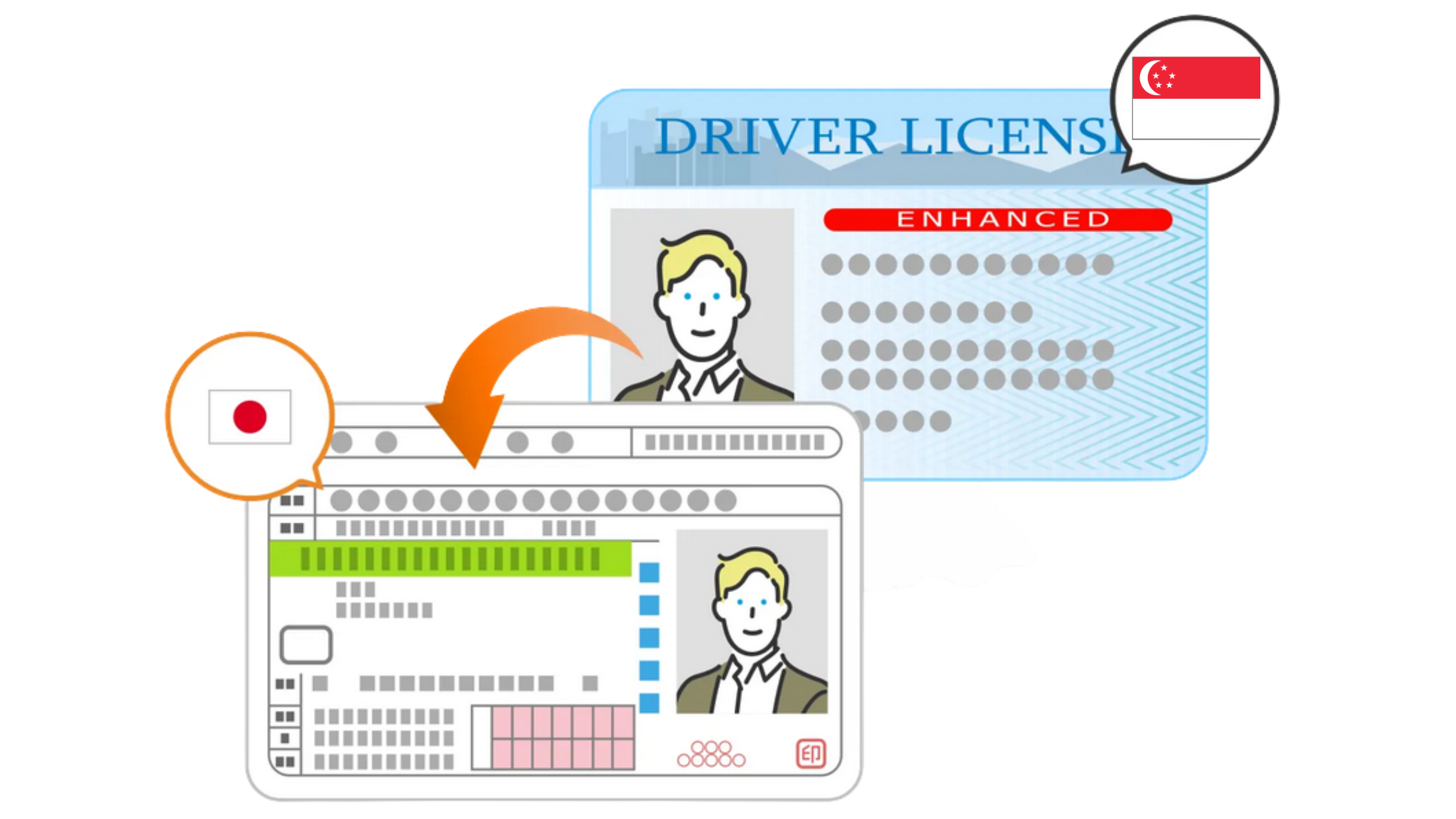
License Conversion (外免切替)
License conversion allows eligible foreign license holders to switch to a Japanese license without attending full driving school. Depending on your country, you may:
- Skip the written test
- Skip the driving test
- Or only need limited testing
This is often the fastest path for working professionals.
Driving Camps (合宿免許)
For those who cannot convert or prefer structured learning, driving camps offer:
- Short, intensive schedules
- Fixed timelines
- A clear path to licensing
Driving camps are especially popular with people who want to get licensed quickly and move on with their career.
How Getting Licensed Early Helps Your Career
Even if you do not need a license right now, getting one early can:
- Prevent missed job opportunities
- Reduce stress during job transitions
- Make your resume more competitive
- Give you more leverage when negotiating roles
For many foreign residents, a driver’s license is not just about driving. It is about keeping career options open.
Final Thoughts
In Japan, a driver’s license quietly influences employability across many industries. From professional driving and sales to maintenance, regional work, and management roles, being licensed can expand what is realistically available to you. If you are serious about building a long-term career in Japan, getting a Japanese driver’s license, through license conversion or driving camp, is a practical investment.




![【MY】နိုင်ငံခြားသား ယာဉ်မောင်းများ၊ တိုခုတေးဂီနိုး ယာဉ်မောင်းအလုပ်များနှင့် ကျွန်တော်တို့ Joys Japan ကုမ္ပဏီနဲ့ပတ်သတ်၍ စိတ်ဝင်စားဖွယ်အကြောင်းအရာများ [၂၀၂၅ ခုနှစ် update သတင်းများ]](https://ziplus.jp/road-ready/wp-content/uploads/2025/10/၁.png)