
If you’re preparing for the Gaimen Kirikae (foreign driver’s license conversion) in Japan, one of the biggest challenges is the written test, especially because there are quite a few trap questions and tricky wording.
After the success of our first Gaimen Kirikae Written Test Practice Questions post, we’ve prepared Part 2, featuring more sample questions, explanations, and helpful tips to make sure you pass with confidence.
Whether you’re from the U.S., Nepal, Vietnam or any other country that requires testing, this guide will help you get familiar with the test format and common traps.
Quick Review: What Is the Gaimen Kirikae Written Test?
If you already read Part 1, feel free to skip ahead, but here’s a quick recap.
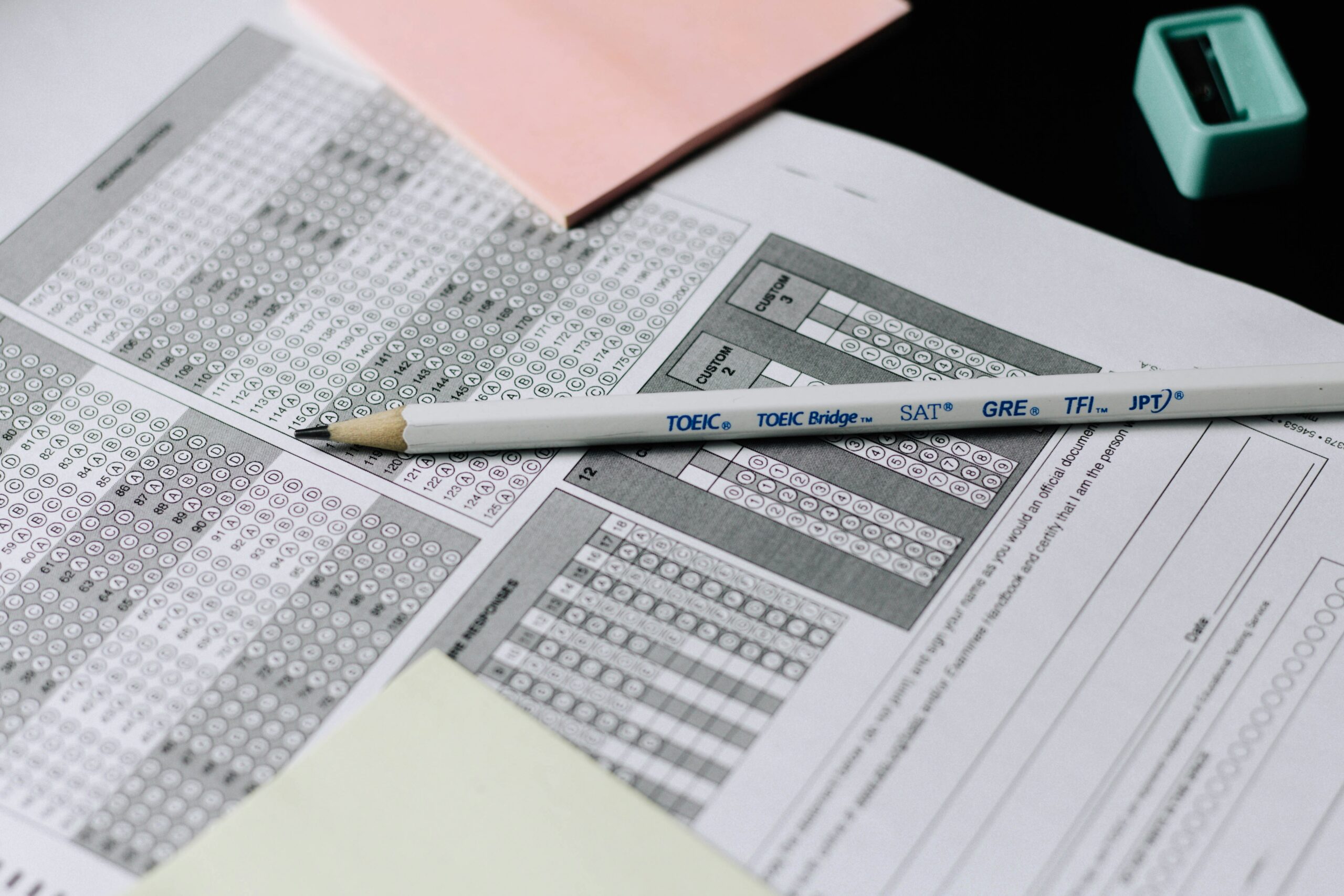
When converting your foreign driver’s license in Japan, you may be required to take a short written test (10 questions, multiple choice). It’s designed to check your understanding of Japanese traffic laws, road signs, and safe driving habits.
The test can be taken in English, but the translations are often direct and not always clear. That’s why practice and understanding the intent behind each question are key.
Practice Questions (Part 2)
Below are 10 sample questions similar to what you might see on the real exam.
Try to answer them yourself first, then check the explanation to understand the reasoning.
Question 1
When passing another vehicle, you may exceed the posted speed limit for a short time.
A. True
B. False
Correct Answer: B
Explanation: You can never legally exceed the speed limit in Japan, even when overtaking. If you cannot pass safely without exceeding the limit, you must wait until it’s safe.
Question 2
You can cross a double yellow line when there are no oncoming vehicles.
A. True
B. False
Correct Answer: B
Explanation: A double yellow line means “no crossing.” You cannot cross it even if the road appears clear.
Question 3
When driving through a tunnel, you must always turn on your headlights.
A. True
B. False
Correct Answer: A
Explanation: In Japan, you are legally required to turn on your headlights in tunnels to increase visibility for yourself and others.
Question 4
You may stop temporarily in a “no parking” zone to let passengers in or out.
A. True
B. False
Correct Answer: A
Explanation: In “no parking” zones (駐車禁止), short stops for loading or unloading passengers or goods are permitted — but you cannot leave your vehicle unattended.
Question 5
At an intersection without signals or signs, the car on the left has the right of way.
A. True
B. False
Correct Answer: B
Explanation: In Japan, the vehicle on the right has priority when there is no traffic light or sign. This is a common question on the test.
Question 6
A blue circular sign with a white arrow pointing to the right means “keep right.”
A. True
B. False
Correct Answer: A
Explanation: Blue circular signs are mandatory instruction signs. A white arrow pointing right means vehicles must keep or turn right.
Question 7
If you see a yellow diamond-shaped sign with a black “X,” it means a railway crossing ahead.
A. True
B. False
Correct Answer: B
Explanation: The yellow “X” sign indicates an intersection ahead, not a railway crossing. A railway crossing sign has two black crossed lines.
Question 8
When an emergency vehicle is approaching with its siren on, you must move to the left side of the road and stop.
A. True
B. False
Correct Answer: A
Explanation: Always pull over to the left and stop until the emergency vehicle passes. Failing to do so can result in penalties.
Question 9
Drivers are allowed to make a U-turn anywhere as long as it’s safe and no traffic is coming.
A. True
B. False
Correct Answer: B
Explanation: U-turns are only allowed where there is no sign prohibiting them. Many intersections and main roads explicitly forbid U-turns.
Question 10
You must not stop or park within 5 meters of a pedestrian crossing.
A. True
B. False
Correct Answer: A
Explanation: Parking or stopping within 5 meters of a crosswalk is illegal in Japan, as it blocks visibility for both drivers and pedestrians.
Study Tips for the Written Test
Here are a few ways to improve your chances of passing on your first try:
- Practice with English and Japanese versions — It helps you understand the intended meaning even if translations are unclear.
- Review Japanese traffic signs — Many test questions are based on signs that appear unfamiliar to foreign drivers.
- Take your time — The test is short, but don’t rush. Some questions include tricky phrasing like “not allowed” or “must not.”
- Think safety first — When unsure, choose the answer that represents the safest action.
Ready to Take the Next Step?
If you want more help preparing, check out our Fast-Track (安心) Package, which includes one-on-one support from bilingual instructors who specialize in Gaimen Kirikae driving tests.
They’ll walk you through both the written and practical tests, explain the common failure points, and help you pass smoothly, even if it’s your first attempt.
Learn more about license conversion in our other articles here: