


“Do not stop the transportation of Japan.”
If you’ve been following recent news from major Japanese media, you’ve probably noticed a recurring issue: Japan’s growing reliance on foreign workers as its population ages rapidly.
This labor shortage affects almost every industry, and the driver sector is no exception. Drivers are the backbone of Japan’s economy and daily life. Without them, goods don’t move, public transport slows down, and everyday life gets disrupted.
Truck, bus, and taxi drivers play a crucial role in keeping Japan’s logistics and transportation running smoothly.
Japan’s Driver Shortage: The Challenges of Today and Tomorrow

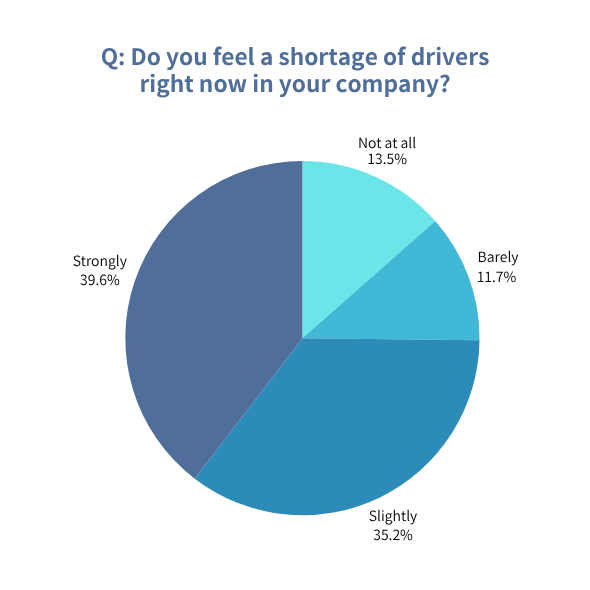
A survey involving 230 logistics companies across Japan revealed a worrying trend: 74.8% of companies currently suffer from a shortage of drivers.
The rest of the companies may not feel it yet, but most acknowledge that this problem is likely to become serious soon.
From the survey, around 50% of respondents said the biggest challenge in hiring foreign drivers is the language barrier.
The second biggest concern is the administrative complexity in hiring and managing foreign employees.
Another key finding from the survey was that only 12.2% of companies fully understand the Tokutei Ginou Driver (SSW Driver) system, while 35.7% had no knowledge of it at all.
This shows there’s still a big gap in communication and information between the government, support organizations, and the companies that could benefit from the SSW system.
A similar trend is seen in Japan’s bus industry. Many bus companies, especially those in smaller or rural cities, are facing the serious problem of having no drivers left for their routes.
Even though it might not get as much attention as other sectors, Japan’s driver shortage is already a national issue. Without immediate action, it’s only going to get worse in the coming years.
SSW Driver: Japan’s Specific Skilled Worker System in the Automotive Industry
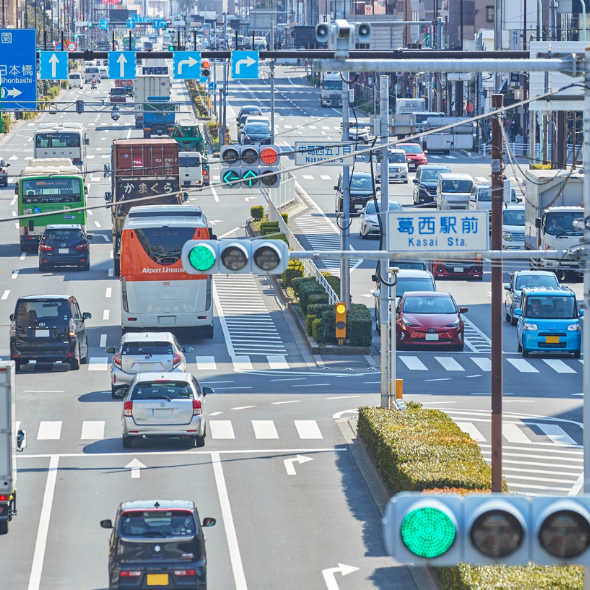
One of the clearest and most sustainable solutions is to bring in qualified foreign drivers through structured programs like the Specified Skilled Worker (SSW) system.
You’ve probably seen social media posts showing foreign truck or bus drivers working in Japan, many of them are part of this visa program.
The SSW system was officially launched to help tackle Japan’s chronic labor shortages by allowing foreign workers with specific skills to work in many industries.
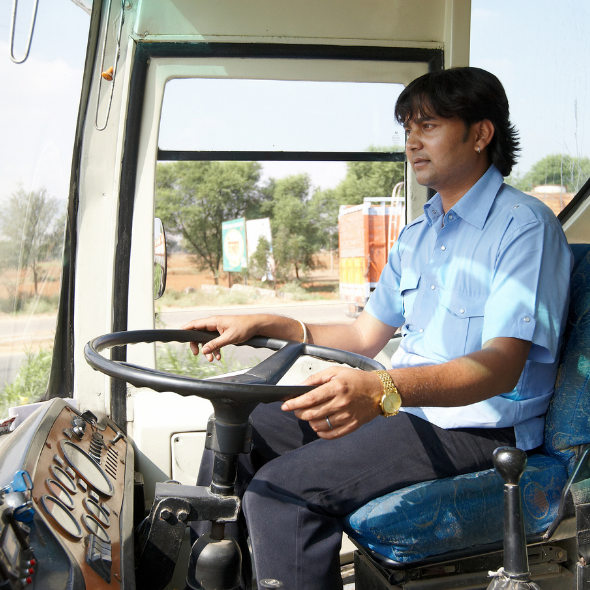
This allows foreign workers to drive trucks, buses, or taxis under Japanese companies once they meet certain requirements.
The SSW Driver category was approved in 2023, marking a big step toward internationalizing Japan’s transportation workforce.
The basic qualifications to apply for an SSW driver job include:
- A valid driving license
- Japanese language proficiency (JLPT N4 or JFT-B A2 for truck drivers, and N3 for taxi and bus drivers)
- Passing the SSW Driver skill test
These standards ensure that every driver is competent, safe, and well-prepared to work under Japanese regulations and cultural expectations.
Driver Careers in Japan for Foreign Applicants
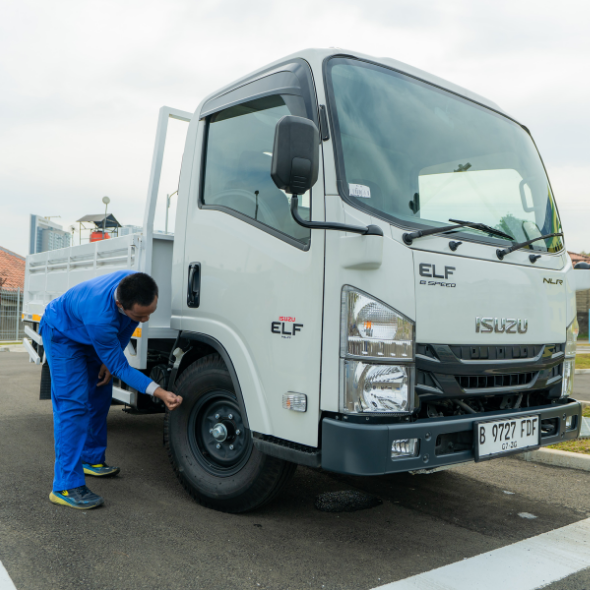
The SSW Driver program accepts candidates both from outside and inside Japan, each with its own set of advantages and challenges.
For candidates coming from abroad, the biggest hurdles are usually Japanese language skills and obtaining a Japanese driving license.
However, many organizations, including those in Indonesia, the Philippines, and Vietnam, are now setting up driver training programs that follow Japanese standards.

These schools often combine Japanese language lessons with driver training, ensuring that candidates are ready both linguistically and technically before going to Japan.
The typical process for these candidates is:
- Study Japanese and driving standards in their home country, or in Japan
- Get a job offer from a Japanese employer
- Stay under a tokutei katsudou (designated activities) visa to obtain a Japanese driver’s license
- Start working under the Tokutei Ginou visa after passing the required tests
This pathway is becoming more common, and the hope is to bring a steady stream of well-trained foreign drivers to Japan in the near future.
Driver Job Opportunities for Candidates Currently in Japan

For candidates already living in Japan, such as students, technical interns (TITP), or those under a different visa type, the path to becoming an SSW driver is generally smoother.
The biggest advantage for candidates already in Japan is that they usually already have a Japanese driver’s license. This takes care of one of the toughest parts of the process, getting a Japanese license, which can be difficult and time-consuming, whether through license conversion or attending a driving school.
Additionally, their Japanese language ability tends to be better since they already live and interact in Japan daily.

For students, this is a practical way to move from school life into a stable full-time job. Also,for technical interns, it offers a chance to continue working in Japan after their internship, potentially paving the way for a longer career.
For those already on a Specified Skilled Worker (SSW) visa in another field, the process can be a bit trickier since it involves switching fields. That said, it’s generally possible as long as there’s still enough time left on their current Tokutei Ginou visa.
Navigating the Opportunities and Challenges in the SSW Driver Field

While the opportunities in the SSW driver industry are clear, it’s not without challenges. Driving is one of the riskiest jobs across all industries, carrying potential risks to a company’s reputation and, in the worst cases, even human lives.
There has been increasing scrutiny around foreign drivers, emphasizing the potential dangers. Additionally, the license conversion process will become more difficult starting October 2025, creating a significant challenge for candidates.

The key point is still the same: drivers are needed, but safety can’t be overlooked. To manage these risks, thorough preparation is essential for foreign drivers, whether through training programs abroad or careful study and preparation for license conversion.
Also, unlike other Tokutei Ginou categories, Tokutei Ginou 2, which would let foreigners stay in Japan for more than five years, is not yet available. This makes some foreigners hesitant to apply for driving jobs in Japan.
Despite the challenges, the industry still offers strong opportunities for foreign drivers in Japan.
Joys Japan: Bridging the Gap in Japan’s Driver Shortage

Joys Japan is a pioneering organization addressing Japan’s growing driver shortage by connecting qualified foreign candidates with logistics, taxi, and bus companies across the country.
For candidates already in Japan, Joys Japan supports the whole process, from consultation and CV preparation to interview practice, job matching, visa assistance, housing support, and more.
Unlike many other companies, Joys Japan focuses exclusively on SSW (Specified Skilled Worker) drivers and has a network of over 30 partner companies across the trucking, bus, and taxi sectors.
To start, candidates need a Japanese driver’s license and must meet the language requirements: JLPT N4 or JFT-B A2 for truck drivers, and N3 for taxi and bus drivers.
For those who do not yet have a Japanese license, Joys Japan partners with Ziplus, which provides the necessary support to obtain one.

For candidates outside Japan, Joys Japan partners with sending organizations in various countries to ensure a smooth and well-supported recruitment process.
One of our biggest current projects is in Indonesia, where we’ve partnered with one of the country’s largest sending organizations to set up a Japanese-style driving school. Students there learn Japanese language, Japanese manners, and safe driving according to Japanese standards.
Another project is a collaboration with a multinational company that runs Japanese schools in several countries. Through this partnership, Joys Japan helps the company directly bring candidates from Myanmar into Japan’s Japanese language program.
Other projects, including those in Sri Lanka and Vietnam, are also underway.
Beyond recruitment, Joys Japan focuses on long-term career and life support for foreign workers. By working closely with Japanese employers, government agencies, and overseas sending organizations, the company makes sure every candidate is ready and every employer gets reliable, well-trained staff.
Closing
Japan’s driver shortage is no longer just a logistics issue. It’s become a national challenge that affects the economy and the daily lives of millions. By connecting global talent with Japan’s transportation needs, Joys Japan helps companies while creating life-changing opportunities for foreign workers looking to build a career in Japan.
Contact Joys Japan to learn more!