
Introduction
There’s something magical about exploring Japan on two wheels. Whether you’re cruising through the winding mountain roads of Hakone, zipping past rice fields in the countryside, or living out your Great Teacher Onizuka fantasies along the beaches of shonan, riding a motorcycle here offers an unmatched sense of freedom. It’s also an economical choice, especially when it comes to fuel and parking.
But for foreigners, getting a motorcycle license in Japan isn’t always straightforward. Depending on your background and driving history, the process, and even the best path to take can vary quite a bit.
In this article, we’ll walk you through the three main options: joining a driving camp (合宿免許), converting your foreign motorcycle license (外免切替), or attending a regular driving school (通学免許). Whether you’re starting from scratch or already licensed abroad, we’ll help you figure out how to get a bike license in Japan.
Types of Motorcycle Licenses in Japan
Before diving into the process, it’s important to understand which type of license you’ll actually need. Japan separates motorcycle licenses into a few different categories based on engine size.
Here’s a quick breakdown:
- Moped (原付): Up to 50cc
- Small motorcycle (小型二輪): Up to 125cc
- Regular motorcycle (普通二輪): Up to 400cc
- Large motorcycle (大型二輪): Over 400cc
The kind of bike you want to ride, and how you plan to use it—will determine which license is right for you.
To apply, you’ll typically need to be at least 16 years old for small or moped licenses, and 18 or older for regular and large motorcycles.
Option 1: Get Your Motorcycle License Through a Driving Camp (合宿免許)
1.1 What Is a Driving Camp?
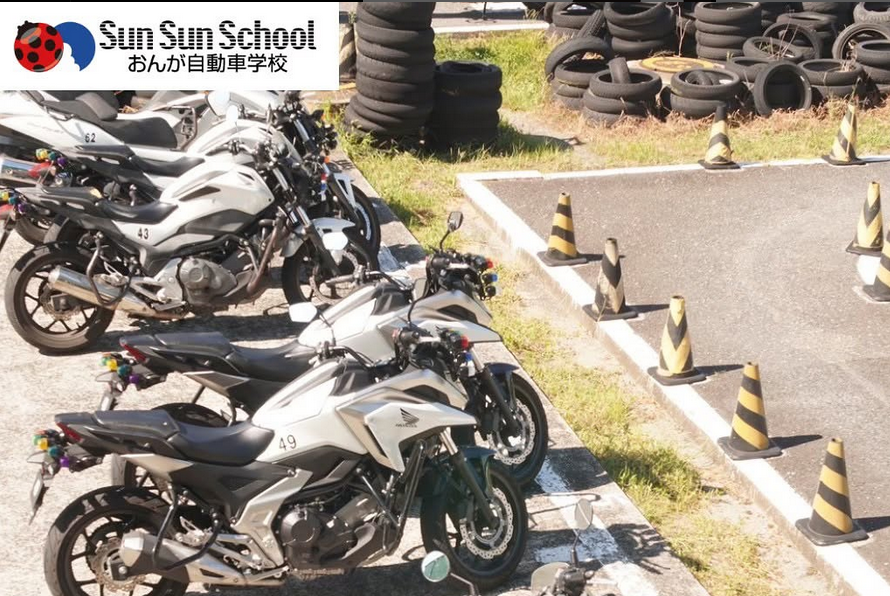
Driving camps are intensive programs that combine classroom learning, on-bike training, and official testing—all in a short period of time. Instead of spreading your lessons over weeks or months like at a traditional driving school, you’ll get it all done in one go.
Most camps last 10 to 14 days, depending on the type of license. They’re held all over Japan and include everything you need to pass the written and skills tests.
1.2 Why It’s Popular With Foreigners
Many foreigners find driving camps to be the fastest and most stress-free way to get their license—especially if they’re starting from scratch.
Here’s why:
- Faster than regular driving lessons
- All-inclusive pricing: Meals, lodging, and lessons are bundled together
- Many camps offer English materials and tests
While the camp curriculum can be challenging, the pass-rate is quite high and you can use the occasion to visit nice travel destinations in Japan, as they often have driving camps.
1.3 How It Works
The process is fairly straightforward once you choose your camp. After booking, everything is taken care of on-site.
- Choose a camp that offers the motorcycle license course
- Complete classroom lessons and hands-on riding training
- Take the final written and skills tests (usually held at the camp)
If you pass, you’ll receive a certificate to take to your local licensing center for your actual license
1.4 What You Need to Join
To sign up for a driving camp in Japan, you’ll need a few basic things:
- Valid resident status (zairyū card)
- Preferably N3-level Japanese (though some camps offer help in English)
- A health check
- No existing driving bans or major traffic violations
1.5 Costs & Duration
Prices vary depending on the bike size and the camp, but here’s a general idea of what to expect:
- Regular license: ¥110,000–¥200,000
- Large motorcycle license: ¥200,000+ (Cheaper if you already have a regular mc license)
The whole process typically takes 10-days to 2 weeks, making it an efficient option if you can take some time off.
Feel like this is the option for you? You can search for the cheapest plans across Japan or make inquiries here!
Option 2: Convert Your Foreign Motorcycle License (外免切替)
2.1 Who This Is For
If you already have a motorcycle license from another country, you may be able to convert it into a Japanese one. This method is best for riders with experience abroad.You must have held your foreign license for at least three months before arriving in Japan.
2.2 Process Overview
License conversion can be faster and much cheaper—if you’re eligible and can pass the tests. Here’s how it usually works:
- Get your license officially translated by Ziplus or a different authorized agency
- Book a document screening appointment at your local license center
- Take a written knowledge test and skills riding test (unless your country is exempt)
If all goes well, you’ll receive your Japanese motorcycle license.
2.3 Challenges for Motorcycles
Motorcycle conversion is often tougher than converting a car license. The driving test in particular is known to be difficult, even for experienced riders.
Common hurdles include:
- A strict and technical driving test, with a pass rate sometimes below 30%
- The test bike is often larger and heavier than what most riders are used to
- Failing means another booking, and you may have to wait months for another slot
2.4 Tips for Success
Many people underestimate how hard the test can be. If you want to improve your chances, preparation is key:
- Take practice lessons at a local driving school
- Study the test course layout ahead of time
- Watch YouTube videos from others who passed the test for tips and walkthroughs
Option 3: Get Your Motorcycle License Through a Local Driving School (通学免許)
If you can’t take extended time off for a camp but don’t qualify for license conversion, another route is to attend a part-time driving school near where you live. These schools follow the same basic training and testing format as camps—but at a slower pace, usually over weeks or months.
This option is perfect for people with ongoing jobs or studies, as you can attend classes and riding lessons on evenings or weekends. It also gives you time to gradually build confidence, though it may require more patience and higher costs in the long run.
How It Works
- Enroll at a local driving school that offers motorcycle training
- Take lessons on evenings, weekends, or other available slots
- Complete both classroom instruction and riding practice
- Take final written and riding exams (usually on-site)
- Pass = receive certificate to bring to the licensing center
Pros and Cons
This method offers a more flexible schedule but may come with its own challenges.
Pros:
- Fits better with work or school commitments
- Some schools offer lessons in other languages
- Structured learning environment with experienced instructors
- Multiple chances to practice on the same course as your exam
Cons:
- Can take several weeks to months to complete
- Significantly more expensive than driving camps in many cases
Cost & Duration
Expect to pay slightly more than for a driving camp, depending on the school and how quickly you progress. Here’s a rough guide:
- Small motorcycle license: ¥120,000–¥170,000
- Regular motorcycle license: ¥160,000–¥220,000
- Large motorcycle license: ¥220,000+
- Timeline: 1 to 3 months (depending on availability and your pace)
Driving Camp vs. License Conversion vs. Driving School: Quick Comparison
Here’s a side-by-side breakdown of all three options:
| Category | Driving Camp | License Conversion | Driving School (Part-Time) |
| Language | Lessons in Japanese, materials, tests multilingual | Test in Japanese, materials multilingual | Several languages available |
| Time | 1–2 weeks | Several weeks or more | 1–3 months |
| Cost | ¥100,000–¥200,000+ | ¥10,000–¥30,000 | ¥120,000–¥220,000+ |
| Test Difficulty | Moderate (internal tests) | High (strict public test) | Moderate (internal tests) |
| Best For | Beginners with time off | Experienced foreign riders | Residents with flexible schedules |
Final Thoughts
Whether you’re just getting into biking or already have experience, Japan has a motorcycle licensing path that can work for you. Driving camps are ideal for beginners or those who want a structured, supportive environment. License conversion is best for experienced riders looking for a faster (but more demanding) route. And local driving schools offer a slower, steady option if you can’t take time off but want to build up your skills gradually.
Whichever route you take, give yourself time to prepare and adjust to the system. With a little patience and effort, you’ll soon be on the road, enjoying Japan from the seat of your very own motorcycle.